The Future of UK Horse Racing: Navigating Through Challenges
The UK horse racing industry is rich in history and tradition, drawing millions of enthusiasts and punters to its tracks each year. However, in recent times, this vibrant sector has encountered a myriad of challenges that have compelled stakeholders to reevaluate their strategies. Notably, the ongoing impact of the pandemic, shifting regulations, and the complexities related to gambling has prompted a critical examination of the state of horse racing in the UK. To address the current state of affairs, one must understand both the obstacles and the innovations arising from these changes. Additionally, it is essential to look at alternatives, such as UK horse racing not on GamStop British horse racing not on GamStop, that may serve the evolving needs of racing fans and bettors.
The Historical Context of UK Horse Racing
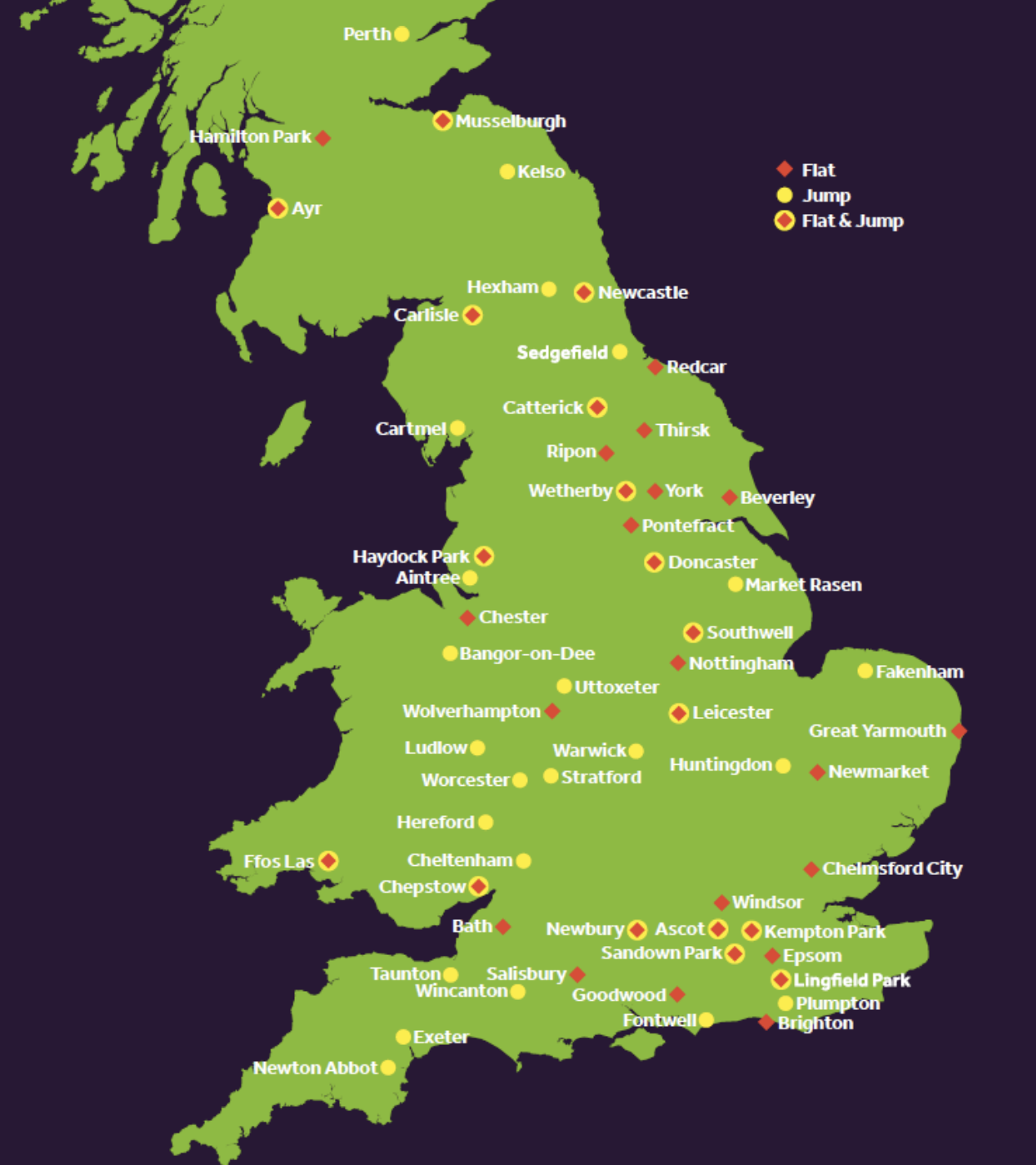
Horse racing in the UK dates back several centuries, with roots tracing back to royal patronage in the 16th century. The establishment of various racecourses such as Ascot, Goodwood, and Aintree has cemented the sport’s status as a cornerstone of British culture. As it evolved, horse racing became synonymous with both prestige and community, and it continues to attract significant attention from local and international spectators alike.
The Current State of the Industry
Despite its storied past, the current landscape of UK horse racing is fraught with hurdles. The COVID-19 pandemic brought about unprecedented disruptions, prompting racecourse closures and leading to financial strains across the board. Many smaller stables and trainers have found it particularly challenging to survive in a less favorable economic environment. Current regulations surrounding COVID-19 have limited attendance at events and curtailed the vibrant atmosphere that typically characterizes racing days.
Regulatory Changes and Their Impact
Aside from the ongoing effects of the pandemic, the UK horse racing industry is also grappling with increasing scrutiny and regulatory changes regarding gambling practices. Stakeholders are faced with the dual challenge of protecting vulnerable individuals while also ensuring that the industry can thrive. The implementation of guidelines to promote responsible gambling, in particular, has created tensions among betting operators and racing authorities, with calls for a collaborative approach to establish a sustainable model moving forward.
The Role of Technology in Revitalizing UK Horse Racing
Amid these challenges, technology has emerged as a beacon of hope for the UK horse racing industry. Innovations such as digital ticketing, virtual reality experiences, and livestreaming have helped bridge the gap caused by the lack of in-person spectating. These technologies not only enhance the experience for existing fans but also attract a younger demographic that may be less inclined to engage with traditional betting methods. Engaging the younger audience is vital to ensuring the longevity of the sport as they become the future of betting and racing.
Alternative Betting Avenues: Exploring Options Beyond Mainstream
As the regulatory landscape shifts, it’s important for bettors to have access to diverse options. The concept of ‘British horse racing not on GamStop’ offers an alternative for those looking for betting platforms outside of conventional restrictions. This provides bettors with the chance to engage with the sport on their terms, fostering a sense of autonomy that appeals to many in today’s dynamic environment.

Engaging the Community: Grassroots Initiatives
For horse racing to thrive, local communities must remain engaged and invested in the sport. Grassroots initiatives aimed at bringing young people into the world of horse racing—such as educational programs, school visits, and community racing events—are essential for creating a sustainable future. By fostering a love for horses and the sport from an early age, the industry can cultivate a new generation of fans and participants.
Conclusion: The Path Forward for UK Horse Racing
In conclusion, while the UK horse racing industry confronts significant challenges, there remains a blueprint for revitalization and growth. By embracing technological advancements, addressing regulatory concerns, exploring alternative betting avenues, and fostering community engagement, the industry can transform potential obstacles into opportunities. Through collaboration and innovation, the future of UK horse racing can be secured, preserving its legacy while paving the way for a vibrant new chapter.