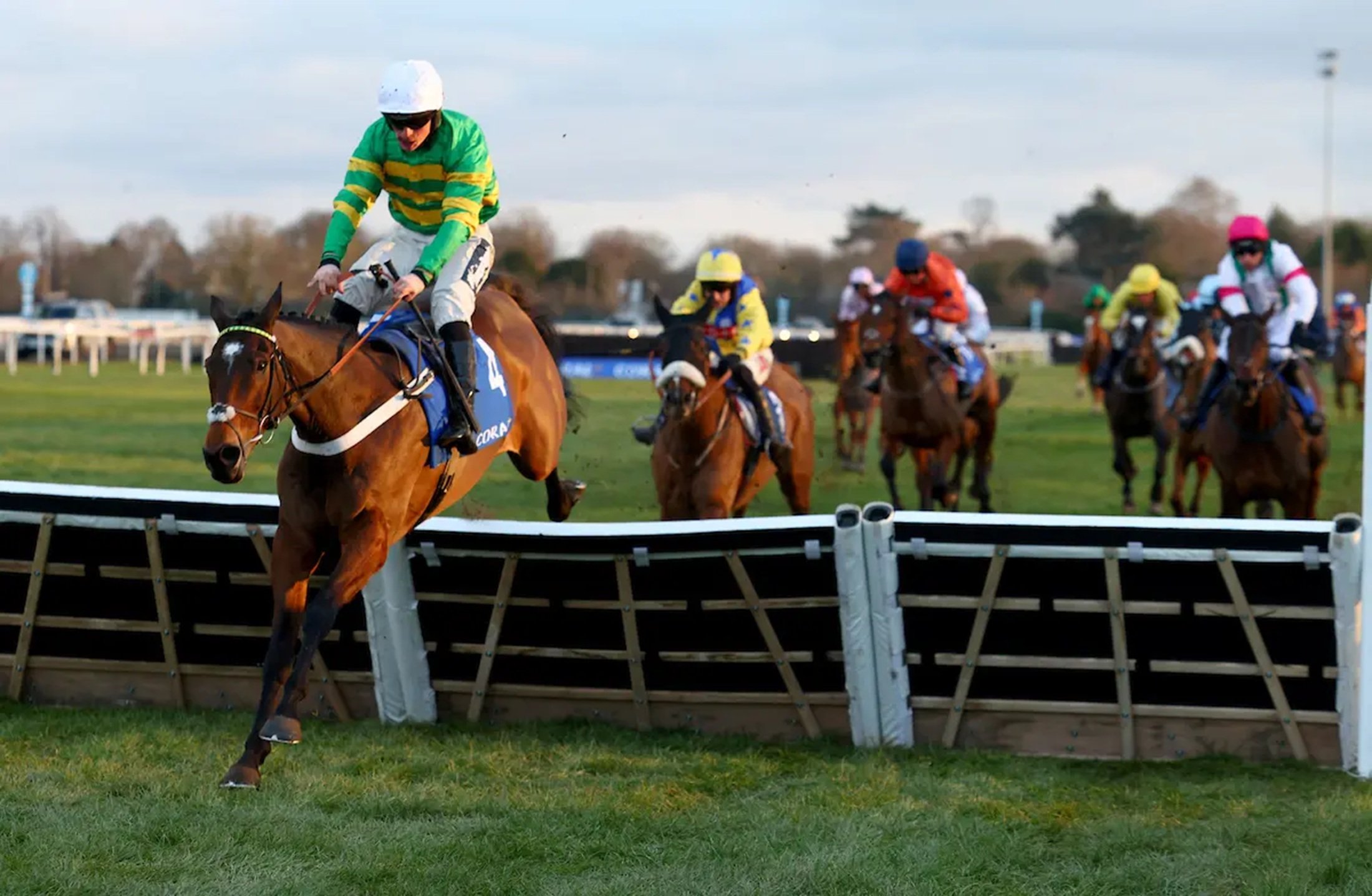
The world of horse racing in the UK is not only a thrilling sport but also a significant part of the national economy and culture. However, events which are termed “UK Horse Racing Not On” bring to light important discussions surrounding the future of this sport, the implications it has for all stakeholders and the restoration of normalcy in the coming years. For those interested in further insights and resources, you can check out UK Horse Racing Not on GamStop https://www.cosc-cumbria.org.uk/.
The Current State of UK Horse Racing
Horse racing is a long-standing tradition in the UK, attracting millions of fans and generating substantial revenues. However, disruptions such as adverse weather conditions, health crises, and financial uncertainties can lead to cancellations or postponements of races. The phrase “UK Horse Racing Not On” symbolizes these unfortunate instances when beloved events are unable to proceed as planned, creating ripples across various segments from betting industries to local economies.
Economic Implications
When horse racing events are canceled, the economic impact can be significant. The racing industry generates millions of pounds each year from ticket sales, betting, and associated hospitality services. Local businesses, particularly pubs, restaurants, and hotels, rely heavily on race days to drive their revenues. Thus, when events are not held, it leads to financial strain on these enterprises.

Additionally, the government benefits from substantial tax revenues generated by the industry. The cancellation of major races can affect this revenue stream, impacting public services funded by these taxes. Moreover, on a larger scale, the economic implications are felt throughout the country, emphasizing the importance of stable scheduling in the racing calendar.
Community Engagement
Horse racing is not just about the races themselves; it’s a community event that brings people together. Spectators often come to enjoy the day out, socialize with friends, and support their favorite horses and jockeys. Events like these foster a sense of community pride and engagement.
When racing events are labeled as “not on,” communities lose a platform for social interaction. This can lead to diminished community spirit, especially in rural areas where racing is often a focal point of local life. Many regions also have various activities linked to race days, including fairs and local competitions, and the absence of such events can create a void in community interaction.
Horse Welfare Considerations
The welfare of horses is paramount in the racing industry. When races are not held, it also prompts conversations about the care and wellbeing of the horses. Trainers often have to navigate how best to maintain horses’ fitness and health without the motivation of racing.
Furthermore, the implications extend beyond training regimens. In certain instances, horses may be sold or retired earlier than anticipated if their racing opportunities significantly diminish. Advocacy for horse welfare groups becomes essential during these times to ensure that equine athletes receive the care they deserve regardless of racing schedules.
The Role of Technology in Horse Racing
As the world embraces technology, so does the horse racing industry. During instances of “UK Horse Racing Not On,” digital platforms have become increasingly crucial. Virtual events and online betting are gaining popularity, providing an alternative but essential avenue for fans and casual spectators to remain engaged.
Innovations, such as live-streaming races and fostering online community discussions, have also emerged as effective methods to keep the audience connected. Technology helps bridge gaps created by cancellations and ensures that enthusiasts still have opportunities to enjoy the sport from their homes.
Looking Ahead: The Future of UK Horse Racing
While “UK Horse Racing Not On” events have taken their toll, the resilience of the industry shines through. Planning and innovative strategies are critical moving forward. Collaborations with local communities, investment in technology, and an unwavering commitment to horse welfare can serve as foundations for restoring the vibrancy of horse racing.
It will be essential for industry leaders to engage with stakeholders at all levels, ensuring that every voice is heard as we navigate through the future. Initiatives aimed at revitalizing the community spirit, enhancing digital engagement, and prioritizing horse welfare will be critical to reclaiming the value that horse racing brings to the UK.
Conclusion
In summary, the experience of “UK Horse Racing Not On” extends beyond simply not being able to watch a race. It impacts economies, communities, and animal welfare, weaving an intricate web of consequences that reach throughout society. By understanding these implications, individuals can gain a deeper appreciation for the sport and rally for its recovery and future growth. The hope is that through collective efforts, the world of horse racing in the UK will not only bounce back but thrive in new and innovative ways.